Michi-no-Eki Shimanto Toowa 四万十とおわ
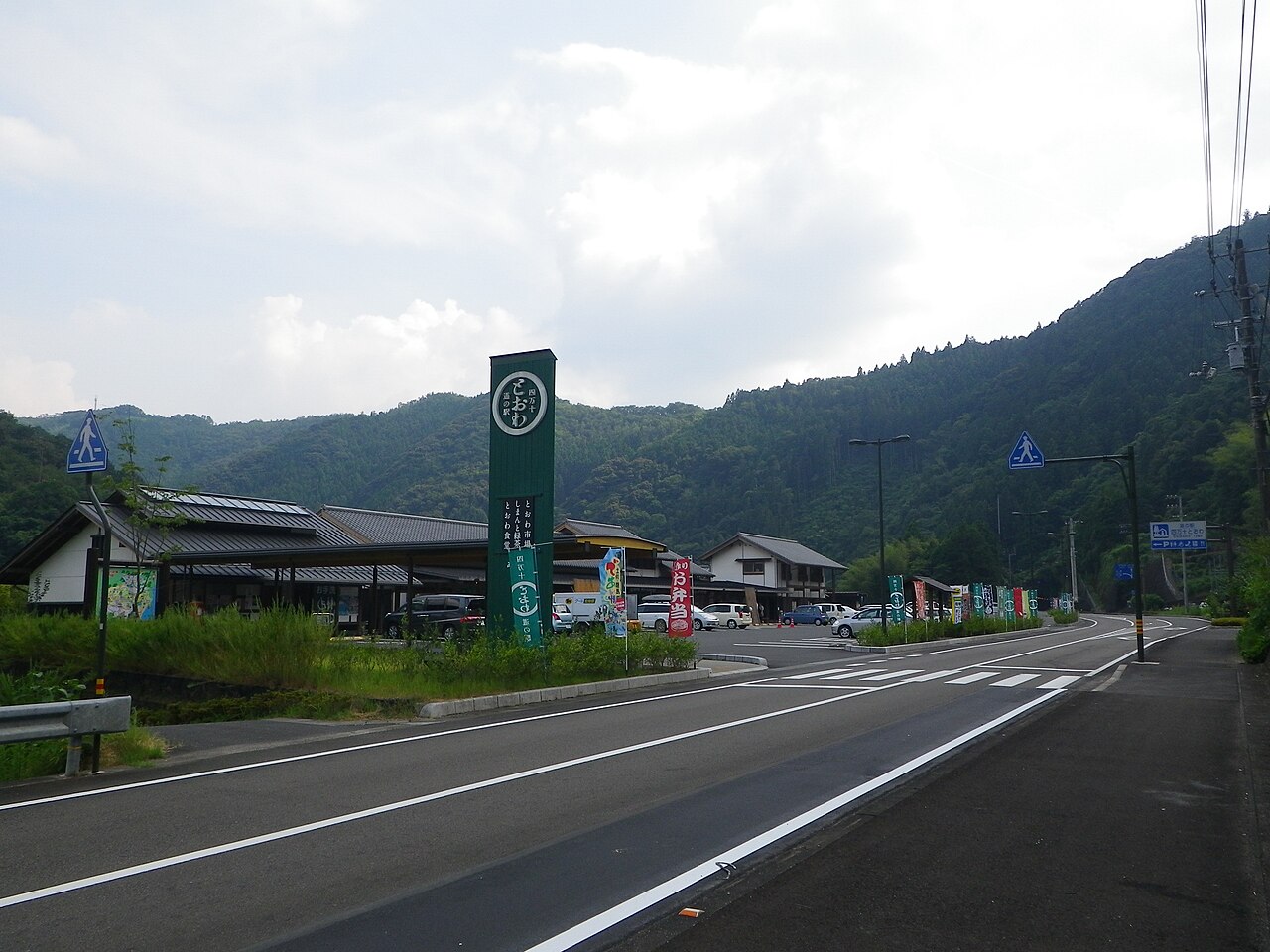
Shimanto Toowa is the adventure station of the Shimanto River — Japan's last great clear stream, running 196 km through western Kochi without a single major dam. The station stands in the Toowa district of Shimanto town, where the river bends wide and slow, and its headline act is over the water: a 220-metre zip line that flies you across the river, 20 metres above the surface, in under a minute. Under it, the station runs the valley's Toowa market — tea, chestnuts, rice and river produce — and a café named for the local coin purse of legends, Ochakuri.
| Location | Western Kochi, Kochi |
|---|---|
| Address | 高岡郡四万十町十和川口62-9 (高岡郡四万十町, Kochi) Romaji: Takaoka-gun Shimanto-cho Towa-Kawaguchi 62-9, Kochi, Japan |
| Opening hours | Toowa market: 8:30–17:00 / Toowa Shokudo: 8:30–10:30 & 11:00–14:30 (until 15:00 on weekends) / Zipline: 9:00–17:00 |
| Closed | Toowa Shokudo restaurant: Wednesdays; Zipline: Wednesdays (May–Jun, Dec–Feb); Market: open every day |
| Parking | Large vehicles: 3 spaces; Standard cars: 72 spaces (including 3 accessible spaces) |
| Phone | 0880-28-5421 |
| Map | View on Google Maps |
| Official website | https://toowashimanto.jp/ |
| Registered | 2007 (registration round 23) |
Facilities at a glance
All facilities
Local specialities
The Toowa Shiki-no-Sato Gozen, the station's set meal, is the valley on a tray: eighteen small dishes of seasonal mountain-and-river cooking. When the river provides, natural eel — wild Shimanto unagi, a connoisseur's prize — appears on the menu. The Shimanto green-tea soft serve (¥500) is made entirely from the valley's first-flush tea, and the Shimanto pork curry bread is baked only for this station. The market shelves hold the valley's pantry: Shimanto tea, chestnuts, rice, sweet potatoes, aonori seaweed from the estuary, and farmhouse miso and pickles made by hand in the hamlets upstream.
Sights and surroundings
The zip line is first (walk-ins accepted when there is space): 220 metres over the clear water, the definitive Shimanto photograph. In spring the river itself becomes the spectacle — from April into May, around five hundred koinobori carp streamers swim across the river on wires at Toowa, a tradition this valley started in 1974 and Japan copied. The riverbanks invite the slower pursuits the Shimanto is protected for: swimming holes, canoe landings, chinkabashi — the low “sinking bridges” with no railings that slip under floodwater and rise again. Every road out of the station follows the green river further into the mountains.
Making the most of your stop
Book the sky first: the zip line across the Shimanto (220 metres, 20 metres up, under a minute) takes walk-ins when there is space, but the river's best light and the shortest queues are early — and hanging over that green water is the moment this whole valley exists for. Then descend to the station's slower pleasures: the eighteen-dish Shiki-no-Sato Gozen for lunch, the market for the valley pantry (tea, chestnuts, hand-made miso), and the green-tea soft serve (¥500, 100% Shimanto first-flush) at the Ochakuri café. If the river has provided, wild eel on the menu outranks everything else on it. Spring travellers (April–May) get the bonus spectacle of five hundred koinobori streaming across the river — this valley invented the custom in 1974. Swimmers and paddlers should ask the desk about the day's river conditions and the nearest chinkabashi sinking bridges, the Shimanto's beloved folk engineering. This is a station to build a day around, not to refuel at: the last clear river in Japan is not a backdrop, it is the itinerary.
Practical details checked 2026-11-04 against: the National Michi-no-Eki Association station page (michi-no-eki.jp), read 2026-11-04
Source: station details from the Shikoku Regional Development Bureau Michi-no-Eki portal and the national Michi-no-Eki association — https://www.michi-no-eki.jp/stations/views/19693
More roadside stations in Kochi
- Sukumo すくも
- Ootsuki 大月
- Shimanto Taisho 四万十大正
- Yusuhara ゆすはら
- Fusegasaka 布施ヶ坂
- Kawauso No Sato Susaki かわうその里すさき
- Aguri Kubokawa あぐり窪川
- Mejika No Sato Tosashimizu めじかの里土佐清水